Ask ten boaters how much horsepower you need and you’ll hear eleven answers. Some people swear you can never have too much. Others are happy puttering around the lake with a small tiller motor. The truth is that the right number depends on your hull, your load, and how you actually use the boat, not on what your buddy has on his transom.
Here’s how we’d walk through it if you called us.
Start with the capacity plate
Almost every boat built for the US market has a capacity plate near the helm or on the transom. It lists the maximum horsepower the hull is rated for. Treat that number as a hard ceiling. Going over it can affect handling, safety and insurance, and it’s the first thing a surveyor or marine officer will check.
If the plate is missing or unreadable, the hull manufacturer or a marine surveyor can usually tell you the rating. Don’t guess.
Think about your typical load
A boat that runs fine with one person and an empty cooler can feel completely different with four adults, full tanks and a weekend’s worth of gear. If you regularly carry people or heavy equipment, plan toward the upper part of your boat’s rated range so it can get on plane without struggling.
Underpowering is a common mistake. An engine that’s working flat out all the time tends to burn more fuel, wear faster, and makes the boat less fun to drive.
Match the motor to how you use the boat
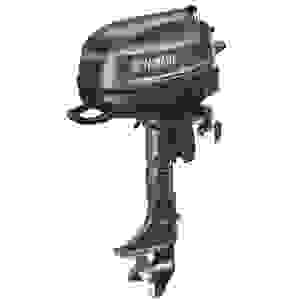
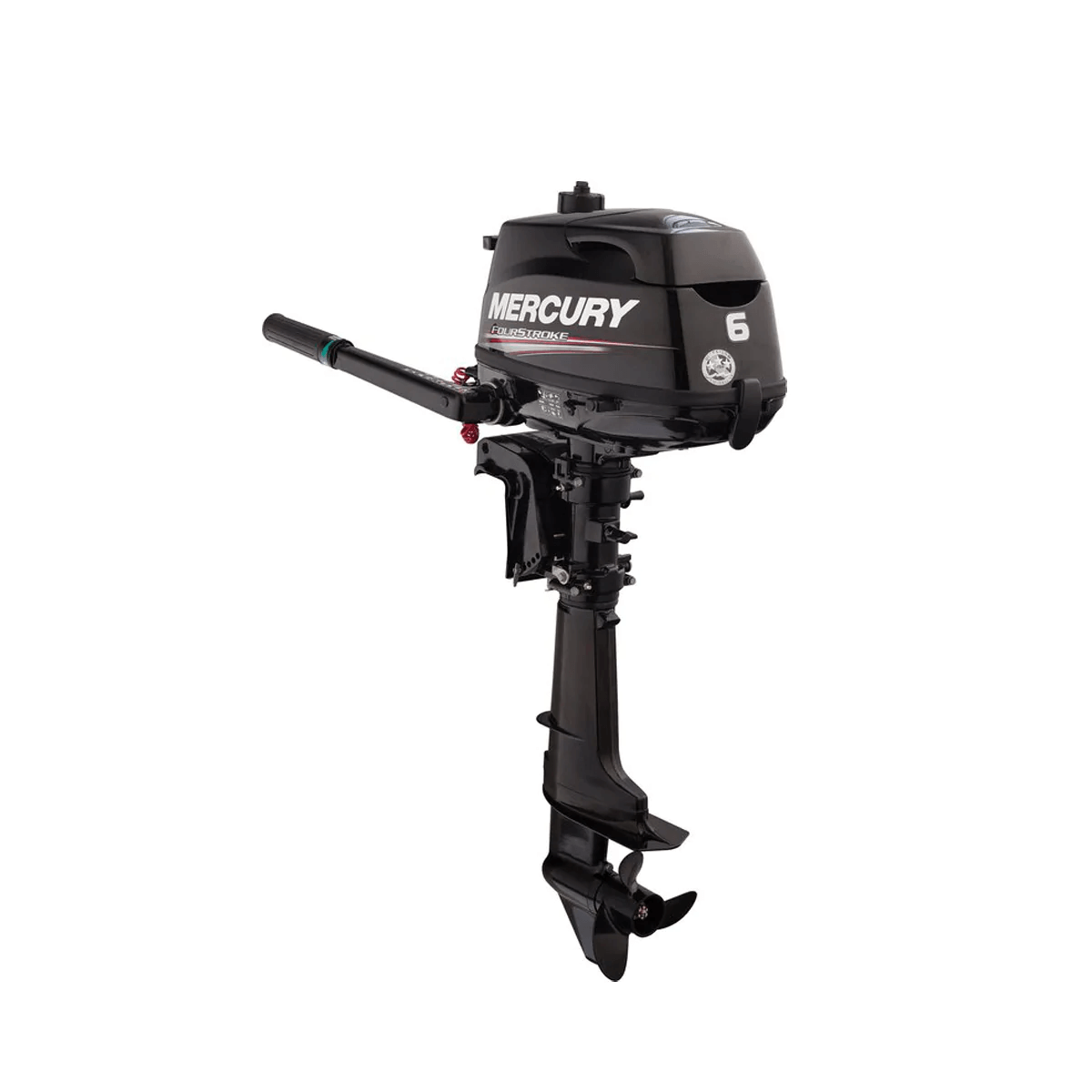
- Dinghies, tenders and small fishing boats: portable tiller outboards are easy to handle, store and service.
- Jon boats, skiffs and small aluminum boats: mid-range outboards, often with tiller or remote steering depending on the layout.
- Bay boats, pontoons and family runabouts: mid to high horsepower, usually with remote controls and power trim.
- Offshore center consoles: high horsepower, and often a twin setup for range and peace of mind.
If you fish shallow water or rivers, a jet outboard can be worth a look too.
Single or twin?
Twins give you redundancy, which matters a lot when you’re far from shore. A single engine is simpler, lighter and usually cheaper to buy and maintain. For most inland and near-shore boating, one correctly sized engine does the job well.
Don’t forget the practical details
- Shaft length: it has to match your transom height. Measure before you order.
- Steering and controls: tiller, mechanical or hydraulic, and whether your existing controls are compatible.
- Weight: a heavier motor changes how the boat sits in the water.
- Propeller: the right prop matters almost as much as the engine. We stock propellers for the major brands.
Browse by brand
We carry outboards from the big names, so you can compare side by side: Suzuki, Yamaha, Mercury and Tohatsu, plus the full outboard range.
Still not sure? Just ask us
Send us your boat’s make, model, length and what’s on the capacity plate, and we’ll help you narrow it down. No pressure, just a straight answer.
Get a quote | WhatsApp Sales | Call +1 (872) 293-4196