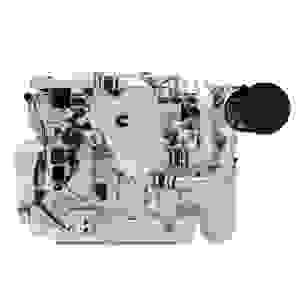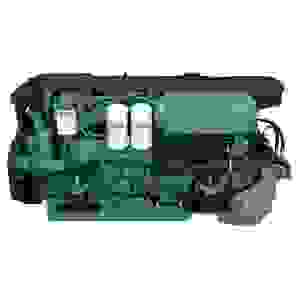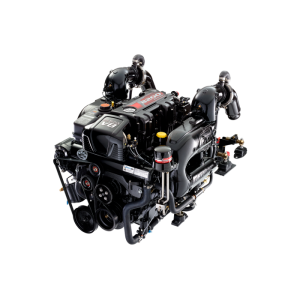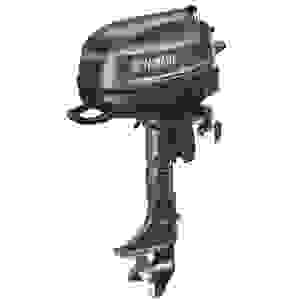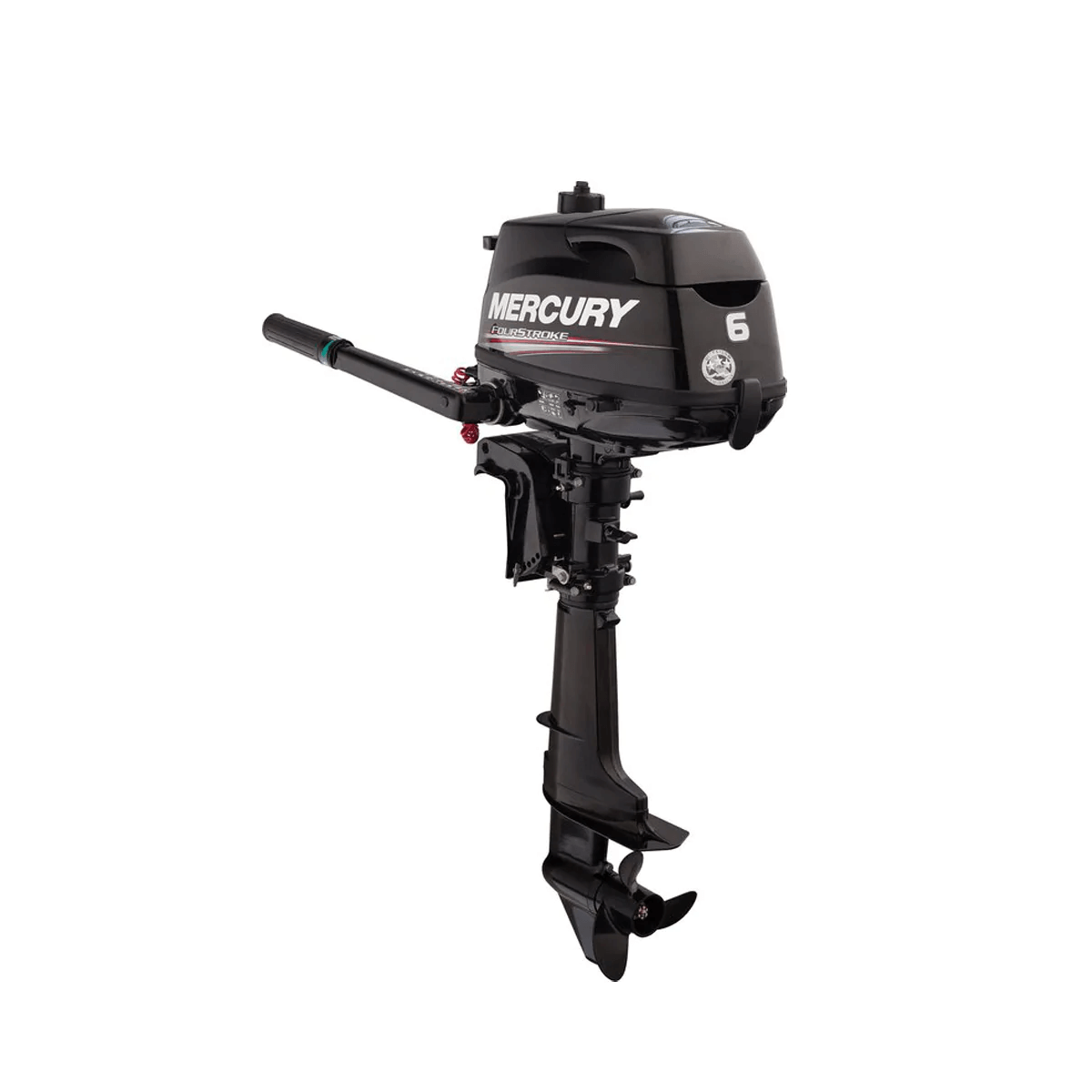
“I’ve got a 17-foot boat, what motor should I get?” It’s one of the most common questions we get, and the honest answer is: it depends on more than the length. Two boats the same length can weigh very different amounts and be rated for very different power. Still, boat size is a great place to start. Here’s how we think about it, from small tenders up to bigger offshore boats. First, the numbers that actually decide it Before looking at any engine, gather three things: The capacity plate. It shows the maximum horsepower and load your hull is rated for. Never go over it. Transom height. This sets the shaft length you need. Measure it before you order. A motor with the wrong shaft length won’t sit right in the water. Typical load. How many people, how much gear, how much fuel. A loaded boat needs more power to perform well. Dinghies, tenders and small inflatables For a tender or small inflatable, you’re usually looking at a small portable tiller motor: light enough to carry and clamp on by hand. Weight matters as much as power here, because you’ll be lifting it. Check your inflatable’s max HP rating and pick something comfortably within it. Options in this range include the Suzuki DF2.5, Yamaha F2.5, Yamaha F4 and Tohatsu 6HP. Jon boats, skiffs and small fishing boats Small aluminum boats and skiffs often run mid-size tiller motors. A tiller keeps things simple and saves space; remote steering is more comfortable on longer runs. If you plan to fish shallow water, it’s worth thinking about how the motor tilts and whether a jet outboard makes sense for your water. Popular picks here include the Suzuki DF20A, Tohatsu 30HP, Suzuki DF40A and Mercury 50ELPT. Family runabouts, pontoons and bay boats Once you’re carrying a family, pulling a tuber or covering open water, you’re typically into remote-control motors in the mid-horsepower range. Pontoons in particular can be heavy once they’re loaded, so don’t size purely on length. Look at the Yamaha F90, Suzuki DF115SS, Tohatsu MFS115, Suzuki DF140B and Mercury 150XL. Larger center consoles and offshore boats Bigger, heavier hulls that run offshore usually call for high-horsepower motors, and often twins. Two engines give you redundancy if one has a problem far from the dock, but they cost more upfront and to maintain. A single larger motor is simpler and lighter. Your hull’s rating and how far out you go will usually decide this one. In this class we carry motors like the Suzuki DF200SS, Yamaha F250, Tohatsu BFT250D, Suzuki DF300AP and Suzuki DF350A. A few more things to check Controls and rigging: repowering? Ask whether your existing controls, gauges and steering will work with the new motor. Engine weight: a heavier motor changes how the boat sits and trims. Compare against what you have now. Propeller: the right prop makes a big difference to performance. Want to go deeper on power? Read how to choose outboard horsepower and our 4-stroke vs 2-stroke guide. Send us your boat details Tell us the make, model, length and what’s on your capacity plate, and we’ll suggest a few motors that fit. No pressure, just honest advice. Get a quote | WhatsApp Sales | Call +1 (872) 293-4196
Month: October 2026
Outboard Maintenance Basics: A Simple Checklist for Boat Owners
An outboard doesn’t ask for much, but it does ask for a little attention on a regular basis. Most of the breakdowns we hear about didn’t come out of nowhere. They started as a skipped flush, old fuel sitting in the tank all winter, or a prop that took a hit and never got looked at. The good news is that the basics are easy, and most of them take less time than launching the boat. Here’s the routine we’d suggest to any owner. One rule before we start: your owner’s manual is the final word. Service intervals, oil grades and parts differ from brand to brand and model to model, so check the book for yours. After every trip: flush and look it over If you run in salt or brackish water, flush the engine with fresh water after each outing. Salt and silt build up in the cooling passages, and that’s how overheating problems start. Many motors have a flush port; others need flush muffs over the water intake. Your manual will tell you which. While it runs, check that the tell-tale (the little stream of water from the side of the cowling) is flowing steadily. A weak or missing stream is your early warning that something in the cooling system needs attention. Then take two minutes to look around: any fuel smell, loose hoses, frayed wires, or fishing line wrapped around the prop shaft? Fishing line in particular can work its way in and damage the seals, so it’s worth pulling off right away. Take care of your fuel Old or contaminated fuel causes a big share of hard starts and rough running. A few habits help a lot: Buy fuel from a busy station and don’t let it sit in the boat for months. Use a fuel stabilizer if the boat will sit for a while. Check the fuel/water separating filter and replace it as the manual recommends. Look at the fuel line and primer bulb for cracks or soft spots. Oil, filters and gear lube Four-stroke outboards need engine oil and filter changes on a schedule, usually based on hours run or once a season, whichever comes first. Use the oil grade your manufacturer specifies. We stock genuine Mercury 4-stroke oil (10W-30) and 25W-40 if you run a Mercury. Don’t forget the lower unit. Gear lube should be changed at the interval in your manual. When you drain it, look at the old oil: milky or creamy lube usually means water is getting past a seal, and that’s something to have checked before it turns into a gearcase repair. Check the propeller Pull the prop now and then. Look for dings, bent blades and anything wrapped around the shaft. Even a small bend can cause vibration and cost you performance and fuel. Grease the shaft splines before you put it back on, and make sure the nut and cotter pin are secure. If your prop is chewed up, a replacement is often one of the cheapest ways to get a boat running right again. Browse our propellers or ask us to help match one to your motor. Battery, anodes and the little things Battery: keep terminals clean and tight, and keep it charged, especially over the off-season. Anodes: sacrificial anodes protect the motor from corrosion. Replace them when they’re worn down, as your manual describes. Grease points: steering and tilt components have grease fittings. A few pumps at the recommended interval keeps things moving freely. Spark plugs: inspect or replace them on the schedule in your manual. Putting it away for the winter If your boat sits for the season, a proper lay-up saves headaches in spring. That usually means stabilizing the fuel, flushing the engine, changing the oil and gear lube, fogging if your manufacturer recommends it, and storing the motor trimmed down so water drains out. Every brand has its own procedure, so follow the manual or have a marine technician do it. When it’s time to repower Good maintenance adds years to an outboard, but every motor reaches a point where repairs cost more than they’re worth. If you’re there, we can help you pick a replacement. Have a look at our outboard range from Suzuki, Yamaha, Mercury and Tohatsu, or read our guide on how to choose outboard horsepower. Questions? Talk to us Need parts, oil or a new motor? Tell us what you’re running and we’ll point you in the right direction. Get a quote | WhatsApp Sales | Call +1 (872) 293-4196
4-Stroke vs 2-Stroke Outboards: What Actually Matters When You Buy
If you’ve been shopping for an outboard, you’ve probably noticed that most new motors on the market are four-strokes. But plenty of boaters still run two-strokes and love them. So which one makes sense for you? Let’s skip the forum arguments and look at what really changes day to day. How they differ, in one paragraph A four-stroke engine fires once every two turns of the crankshaft and has a separate oil system, a lot like a car engine. A traditional two-stroke fires every turn and burns oil mixed with the fuel. That basic difference drives almost everything else: weight, sound, fuel use and maintenance. Fuel and oil Four-strokes are generally more fuel-efficient, especially at cruising speeds, and you don’t have to mix oil into the gas. That convenience adds up over a season. Two-strokes need oil, either premixed or through an oil injection system, so keep that in mind when you’re budgeting for running costs. Noise and smoke This one’s easy. Four-strokes are usually quieter and cleaner, with little to no smoke. If you spend long days on the water or fish in quiet spots, you’ll notice it. Weight and punch Two-strokes have traditionally been lighter for the same power and feel snappy off the line. Four-strokes carry more parts and can weigh more, which matters on small boats and light transoms. Always check the specific model’s weight against what your boat can handle. Maintenance A four-stroke needs oil changes, filters and periodic valve checks, much like a car. A two-stroke has fewer moving parts but depends on getting the oil supply right. Neither is maintenance-free. Whichever you choose, follow the manufacturer’s service schedule and use the right oil. We stock oils and parts for the major brands. Rules where you boat Some lakes and states have emissions rules that limit older carbureted two-strokes. Check your local regulations before you buy, especially if you trailer between different waters. So which should you buy? Pick a four-stroke if you want quiet running, easy fueling, and lower running costs over long days. Consider a two-stroke if weight is critical and it’s allowed where you boat. For most recreational boaters today, a modern four-stroke is the easy, sensible choice. Shop four-stroke outboards Browse our outboard motors, or go straight to Yamaha, Suzuki, Mercury, Tohatsu and Honda. Talk to a real person Tell us about your boat and how you use it, and we’ll point you to a few motors that fit. Happy to answer questions before you commit to anything. Get a quote | WhatsApp Sales | Call +1 (872) 293-4196
How to Choose the Right Outboard Horsepower for Your Boat
Ask ten boaters how much horsepower you need and you’ll hear eleven answers. Some people swear you can never have too much. Others are happy puttering around the lake with a small tiller motor. The truth is that the right number depends on your hull, your load, and how you actually use the boat, not on what your buddy has on his transom. Here’s how we’d walk through it if you called us. Start with the capacity plate Almost every boat built for the US market has a capacity plate near the helm or on the transom. It lists the maximum horsepower the hull is rated for. Treat that number as a hard ceiling. Going over it can affect handling, safety and insurance, and it’s the first thing a surveyor or marine officer will check. If the plate is missing or unreadable, the hull manufacturer or a marine surveyor can usually tell you the rating. Don’t guess. Think about your typical load A boat that runs fine with one person and an empty cooler can feel completely different with four adults, full tanks and a weekend’s worth of gear. If you regularly carry people or heavy equipment, plan toward the upper part of your boat’s rated range so it can get on plane without struggling. Underpowering is a common mistake. An engine that’s working flat out all the time tends to burn more fuel, wear faster, and makes the boat less fun to drive. Match the motor to how you use the boat Dinghies, tenders and small fishing boats: portable tiller outboards are easy to handle, store and service. Jon boats, skiffs and small aluminum boats: mid-range outboards, often with tiller or remote steering depending on the layout. Bay boats, pontoons and family runabouts: mid to high horsepower, usually with remote controls and power trim. Offshore center consoles: high horsepower, and often a twin setup for range and peace of mind. If you fish shallow water or rivers, a jet outboard can be worth a look too. Single or twin? Twins give you redundancy, which matters a lot when you’re far from shore. A single engine is simpler, lighter and usually cheaper to buy and maintain. For most inland and near-shore boating, one correctly sized engine does the job well. Don’t forget the practical details Shaft length: it has to match your transom height. Measure before you order. Steering and controls: tiller, mechanical or hydraulic, and whether your existing controls are compatible. Weight: a heavier motor changes how the boat sits in the water. Propeller: the right prop matters almost as much as the engine. We stock propellers for the major brands. Browse by brand We carry outboards from the big names, so you can compare side by side: Suzuki, Yamaha, Mercury and Tohatsu, plus the full outboard range. Still not sure? Just ask us Send us your boat’s make, model, length and what’s on the capacity plate, and we’ll help you narrow it down. No pressure, just a straight answer. Get a quote | WhatsApp Sales | Call +1 (872) 293-4196