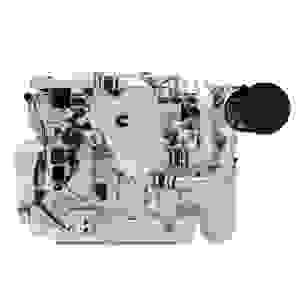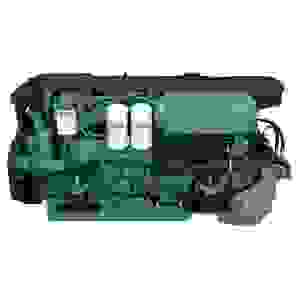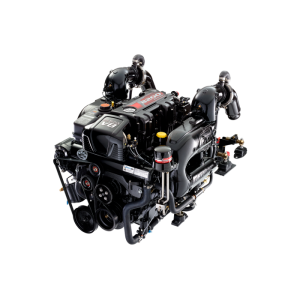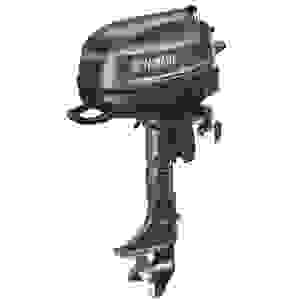
“Which brand is best?” We hear it all the time, and we’ll be honest: there’s no single winner. Yamaha, Suzuki, Honda and Tohatsu all build four-stroke outboards that boaters around the world rely on every day. The better question is which brand is best for your boat, your water and where you live.
Here’s how we’d think about it if we were buying for ourselves.
Start with what matters more than the badge
Before comparing logos, look at these. They tend to make a bigger difference to your day-to-day experience than the brand itself:
- Local service and parts. The best motor in the world is a headache if nobody nearby can work on it or get parts. Ask local mechanics and marinas which brands they service most.
- Fit for your boat. Your hull’s maximum horsepower, transom height (shaft length) and weight all narrow the list fast.
- Rigging and controls. If you’re repowering, sticking with the brand you already have can sometimes save on controls, gauges and harnesses. Ask before you switch.
- How you use the boat. A light tender, a fishing skiff and an offshore center console need very different things.
Yamaha
Yamaha is one of the best-known names in outboards and covers a huge range, from small portables to big V6 and larger offshore motors. Because they’re so widespread, many mechanics know them well, which is a real plus in a lot of places.
Worth a look: the portable Yamaha F2.5 and F4, the Yamaha 15HP, the mid-range F90 and the F250 V6. See all Yamaha outboards.
Suzuki
Suzuki also offers a full lineup, from tiny portables up to large offshore outboards. Their range is a popular choice for everything from small aluminum boats to twin-engine offshore setups.
Worth a look: the DF2.5, DF20A, DF60A, DF140B, DF200SS and DF350A. See all Suzuki outboards.
Honda
Honda Marine builds four-stroke outboards using the company’s long automotive engine experience. Their range is especially strong in the small and mid-size motors many owners use for tenders, sailboats, pontoons and fishing boats.
Worth a look: the Honda BF2.3, BF8, BF20, BF40 and BF50. See all Honda outboards.
Tohatsu
Tohatsu has been building outboards for a long time and is well known for its portable and small-to-mid-size motors, with larger models in the range too. Their lineup includes some less common options, like a jet outboard for shallow water and a propane-powered portable.
Worth a look: the Tohatsu 6HP, 5HP propane, 25HP jet, 30HP, MFS115 and BFT250D. See all Tohatsu outboards.
A few common questions
Is one brand more reliable than the others?
Honestly, all four have loyal owners who’ve run their motors for years. In practice, reliability comes down far more to how the motor is looked after: regular servicing, fresh fuel, flushing after saltwater use and the right prop. A well-maintained motor from any of these brands will usually treat you better than a neglected one from the “best” brand.
Should I stick with the brand I already have?
Often it’s worth considering. If your controls, gauges and wiring are in good shape and compatible, staying with the same brand can make a repower simpler. That said, if a different brand suits your boat better or has better support where you live, it can be worth switching. Just factor in any rigging changes.
What about twin engines?
If you’re running twins, you’ll want a matched pair, usually the same model with counter-rotating props where the manufacturer offers it. Ask us which models are available as a set.
Does the brand change resale value?
It can depend a lot on your local market. A brand that’s common and well supported in your area tends to be easier to sell later, simply because more buyers and mechanics know it. That’s another reason to check what’s popular at nearby marinas.
Can you help me compare specific models?
Yes. Send us the two or three models you’re thinking about and your boat details, and we’ll go through the manufacturer specs with you so you’re comparing like for like.
How to compare two motors side by side
Once you’ve got a shortlist, compare the actual models rather than the brands. For each one, check the manufacturer’s published specs for:
- Horsepower and whether it’s within your boat’s rating
- Shaft length options
- Dry weight, compared with what’s on your transom now
- Starting (manual or electric) and steering (tiller or remote)
- Alternator output, if you run electronics
- The manufacturer’s own warranty terms for your region
And ask us about what’s actually available and what it will take to ship to you. That often settles it.
Still working out how much power you need? Read our guides on outboard horsepower, matching a motor to your boat size and outboard maintenance basics.
Want a second opinion?
Tell us your boat, how you use it and which brands you’re weighing up. We’ll give you an honest take and a quote on the models that fit.
Get a quote | WhatsApp Sales | Call +1 (872) 293-4196 | Email Contact@allmarinemotors.com